
Standardization: The Global Rollout of “Catalog” by Indies
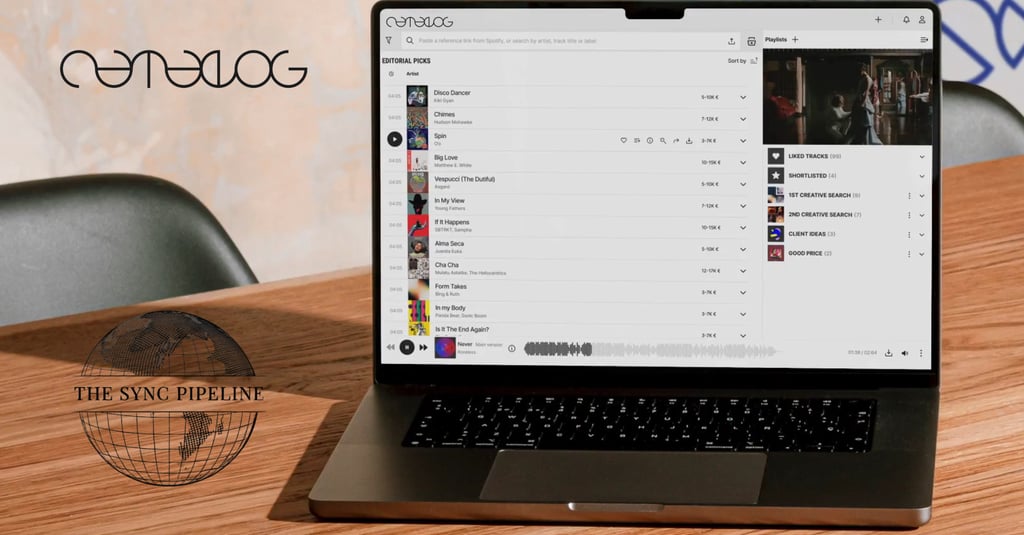
In July 2026, the Catalog platform, backed by global independent powerhouses such as Beggars Group and Secretly Group, transitioned into its global operational phase. Featuring an inventory of 30,000 “Sync-Ready” certified tracks, this initiative marks the structural response of independents to major label hegemony. By building their own “Licensing Super Highway,” these labels are no longer just distributing music; they are imposing a new standard of transparency and transactional velocity for Los Angeles-based supervision pipelines.
Klem Loden
7/16/20262 min read
The “Licensing Super Highway”: Transparency as a Competitive Edge
The July 2026 rollout of Catalog marks a major shift: structural transparency has become the ultimate weapon for independent labels. By integrating flawless metadata and pre-validated split sheets, the platform eliminates the administrative friction that has long favored the centralized infrastructure of major labels. For a music supervisor in Los Angeles, Catalog offers a viable alternative to stock libraries by providing the cultural and artistic value of prestige catalogs (Warp, Ninja Tune, Domino) with unprecedented technical ease of access. It marks the end of the historic compromise between “clearance speed” and “artistic quality.”
Automating Yield: Real-Time Payments
The core innovation of Catalog lies in its transactional architecture. Powered by Sync Smart Pricing technology, the platform automates license generation as soon as terms are accepted, enabling near-real-time payments to artists and labels. This financial fluidity sends a powerful signal to the market: independence is no longer synonymous with contractual complexity. By streamlining the revenue pipeline, Catalog transforms the independent catalog into a liquid financial asset, capable of competing with Major labels on high-pressure advertising and film projects with ultra-tight deadlines.
Technical Data as a Priority Asset
The success of this rollout proves that technical organization (metadata, stems, splits) is now the primary asset for music buyers. By centralizing 30,000 ready-to-use tracks, independent labels are proving they can surpass the operational efficiency of integrated major structures. In the 2026 supervision pipelines, the ability for a track to be audited and licensed instantaneously takes precedence over its historical prestige. This technical standardization allows labels to regain control over their valuation by removing the intermediaries who once thrived on rights opacity.
Sovereignty Through Infrastructure
The global expansion of Catalog demonstrates that independent sovereignty depends on owning one’s own licensing pipes. In July 2026, independence is won on the battlefield of technical standardization. By adopting this “high-operational fidelity” model, labels are no longer subject to the terms of third-party platforms; they are dictating the rules of their own market valuation. The message for the industry is clear: the future of synchronization belongs to those who know how to transform a complex catalog into an interoperable, transparent, and frictionless system.
References and Verified Sources:
Too Young launches indie-focused Catalog sync-licensing marketplace (Music Ally, Nov 5, 2025)
Official Catalog Platform: Technical Specifications and Label Partnerships (Catalog.ac, 2026)